
protect a PCB prototype from damage
Protecting a PCB prototype from damage is crucial during both the development and testing phases. As a delicate electronic component, a PCB prototype can be susceptible to a range of issues that may compromise its functionality, such as physical damage, environmental factors, and electrical faults. Ensuring the integrity of the PCB prototype involves a combination of proper handling, protection during testing, and safeguarding against environmental influences.
One of the most common risks to a PCB prototype is physical damage, which can occur during handling, assembly, or transport. To prevent such damage, it is essential to handle the PCB prototype carefully, ideally by holding it by its edges to avoid putting stress on the components and traces. Using anti-static wristbands or mats during assembly and testing is crucial to prevent static electricity buildup, which can damage sensitive components on the board. In addition, protective packaging, such as anti-static bags or bubble wrap, should be used when transporting the prototype to avoid physical shock or static discharge.
In addition to physical protection, environmental factors can pose significant risks to the PCB prototype. Humidity and temperature fluctuations can cause corrosion, solder joint failures, or thermal stress on the board. To protect the pcb prototype from such environmental factors, it is important to store it in a controlled environment with stable temperature and humidity levels.
Using desiccants or silica gel packets in storage containers can help absorb excess moisture and protect the board from corrosion. During testing, thermal management becomes even more critical, as excessive heat can lead to component failure or damage to the PCB traces. Ensuring proper cooling, such as using heatsinks or fans, can help maintain the ideal operating temperature and prevent thermal damage to the prototype.
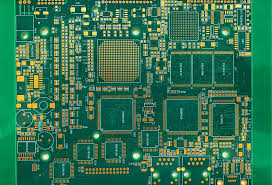
How do you protect a PCB prototype from damage?
Another potential issue that can damage a PCB prototype is electrical stress. Incorrect voltage levels, short circuits, or excessive current can easily damage the components or the board itself. To protect against electrical damage, designers can incorporate protective components, such as diodes, fuses, or transient voltage suppression (TVS) diodes, into the circuit design. These components help safeguard the PCB prototype from voltage spikes or current overloads. Additionally, performing thorough pre-testing and using appropriate power supplies with built-in protection features can minimize the risk of electrical damage during the testing phase.
When soldering components onto a PCB prototype, it is essential to avoid overheating the board, as this can damage both the components and the board itself. Using controlled soldering temperatures and ensuring that the components are soldered correctly can help avoid issues related to heat damage. Similarly, using quality soldering equipment and materials, such as lead-free solder with a low melting point, can reduce the risk of damaging the PCB prototype during assembly.
Furthermore, designing the PCB prototype with durability in mind can help prevent future damage. By adding features like reinforced areas around critical components or additional layers for structural strength, designers can increase the robustness of the PCB prototype. In some cases, applying a conformal coating to the PCB can provide an additional layer of protection, helping to shield the board from moisture, dust, and chemicals. Conformal coatings can be applied in various forms, such as acrylic, silicone, or polyurethane, depending on the environmental conditions the prototype will face.
Finally, testing the PCB prototype under controlled conditions is essential to identify potential weaknesses and vulnerabilities that could lead to damage. By conducting environmental, thermal, and electrical stress tests, engineers can pinpoint areas that need improvement or protection, allowing for design adjustments that will enhance the durability and longevity of the PCB prototype.
In conclusion, protecting a PCB prototype from damage involves a comprehensive approach that includes careful handling, environmental controls, electrical protection, and robust design practices. By considering these factors and taking proactive steps, designers can ensure that their PCB prototypes remain functional and intact throughout the development process, reducing the risk of damage and improving the overall reliability of the final product.


