
unjust dismissal settlements common
Employees who have been terminated without proper cause often wonder about the outcomes of legal disputes over unfair dismissals. A frequently asked question is: are unjust dismissal settlements common? The answer is yes, settlements are a common resolution in cases of unjust dismissal, particularly because both employees and employers often prefer to avoid lengthy and costly litigation. Settlements provide a practical means of resolving disputes while ensuring that the employee receives fair compensation and the employer limits potential liability.
Under the Unjust dismissal Canada Labour Code, employees in federally regulated industries are protected from termination that is without just cause or that fails to follow proper procedures. When an employee files a claim, the labor board or tribunal will investigate the circumstances of the dismissal and determine whether it was justified. In many cases, before a formal decision is issued, both parties may engage in negotiation to reach a settlement. This process allows for a mutually agreeable resolution without the need for a public hearing or a protracted legal battle. Settlements can include financial compensation, continuation of benefits, or even reinstatement in certain cases, depending on the circumstances.
One reason unjust dismissal settlements are common is that they save time and resources for both parties. Legal proceedings under the Unjust dismissal Canada Labour Code can be complex and time-consuming, involving detailed investigations, evidence collection, and hearings. Employers may prefer to offer a settlement to avoid potential reputational damage, administrative costs, and uncertainty regarding the outcome of a tribunal decision. Similarly, employees may accept a settlement to receive timely compensation rather than waiting for a decision that could take months or even years. Settlements often provide a sense of closure and predictability for both sides, making them a practical solution.
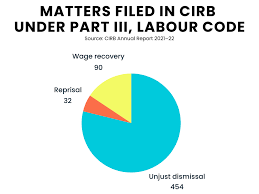
Are unjust dismissal settlements common?
Another factor contributing to the prevalence of settlements is the flexibility they offer. While tribunal decisions are legally binding and follow strict procedures, settlements can be tailored to meet the specific needs of the employee and employer. For example, an employee may negotiate additional benefits, extended notice periods, or compensation for lost bonuses in addition to standard severance pay. Employers may also negotiate terms such as confidentiality clauses or non-disparagement agreements as part of the settlement. This flexibility makes settlements an attractive option, allowing both parties to resolve disputes in a way that formal rulings cannot always accommodate.
Employees considering a settlement should carefully evaluate their options and seek legal advice. Settlements can be advantageous, but it is important to ensure that the compensation offered is fair and reflects potential entitlements under the Unjust dismissal Canada Labour Code. Documentation, evidence of losses, and a clear understanding of the employee’s rights can strengthen negotiating positions and result in more favorable outcomes. Employers, meanwhile, should approach settlements with transparency and fairness to avoid further legal disputes or claims of bad faith.
In conclusion, the question are unjust dismissal settlements common? is answered clearly in practice: yes, they are a frequent outcome of unfair dismissal claims. Under the Unjust dismissal Canada Labour Code, settlements offer a practical, efficient, and flexible way to resolve disputes while protecting employee rights and minimizing risks for employers. By providing an alternative to formal tribunal hearings, settlements serve as a widely used mechanism to ensure fair resolution of unjust dismissal claims in federally regulated workplaces.
