best practices for B2B networking follow-up
What are best practices for B2B networking follow-up? Many professionals underestimate the importance of follow-up in building strong business relationships. Making an initial connection is only the first step; the way you nurture and maintain that connection often determines the long-term success of your network. Following best practices in b2b networking follow-up ensures that relationships remain active, meaningful, and mutually beneficial.
Timeliness is a critical factor in effective B2B networking follow-up. Reaching out shortly after an initial meeting or event helps reinforce the connection while the interaction is still fresh in both parties’ minds. Prompt follow-up demonstrates professionalism and genuine interest, increasing the likelihood of continued engagement. Whether through a personalized email, LinkedIn message, or phone call, timely communication sets the stage for stronger relationships in the future.
Personalization is another key practice in B2B networking follow-up. Generic messages are easy to overlook, but taking the time to reference specific points from a prior conversation shows attentiveness and care. Mentioning a shared interest, a business challenge, or a relevant article can make your follow-up more meaningful. This approach not only strengthens rapport but also establishes credibility, highlighting that you are thoughtful and invested in the relationship.
Consistency is equally important in maintaining connections over time. B2B networking follow-up is not just a one-time effort; it involves nurturing the relationship through regular touchpoints. Sharing industry insights, congratulating achievements, or checking in periodically keeps the connection active and relevant. Consistent engagement ensures that your network remains robust and that your contacts are more likely to remember you when opportunities arise.
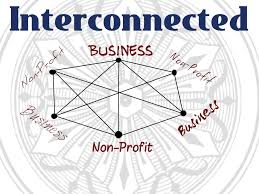
What are best practices for B2B networking follow-up?
Leveraging technology can significantly enhance B2B networking follow-up. Customer relationship management (CRM) systems, email automation tools, and scheduling apps help track interactions and reminders, making it easier to manage multiple connections efficiently. By using these tools strategically, you can ensure no follow-up is missed and that each interaction is timely and personalized, even at scale.
Adding value in every follow-up interaction is essential for building trust and credibility. Providing resources, insights, or introductions that benefit your contact demonstrates a willingness to contribute rather than just seek personal gain. In B2B networking, relationships that offer mutual value tend to be longer-lasting and more productive. A follow-up that solves a problem or shares relevant expertise positions you as a trusted partner rather than just another contact.
Finally, measuring the effectiveness of your follow-up strategy can improve outcomes over time. Tracking responses, meeting conversions, and engagement levels provides insights into what methods work best and which contacts require additional attention. Regular evaluation allows you to refine your approach, ensuring that your B2B networking follow-up becomes increasingly efficient and impactful.
In conclusion, best practices for B2B networking follow-up involve timeliness, personalization, consistency, the use of technology, value-driven interactions, and performance evaluation. By implementing these strategies, professionals can turn initial meetings into meaningful business relationships that drive growth and collaboration. Following up effectively is not merely a courtesy; it is a strategic tool that strengthens connections and maximizes the long-term benefits of B2B networking.