
emergency or rush orders in your Flexible circuit board manufacturers
Handling emergency or rush orders is a critical aspect for flexible circuit board manufacturers, particularly in industries where time-sensitive projects are the norm. These manufacturers must have robust processes and strategies to ensure they can meet urgent demands without compromising on quality. Here’s a detailed exploration of how flexible circuit board manufacturers typically manage emergency or rush orders.
Firstly, one of the most vital components in handling rush orders is maintaining a flexible and responsive production schedule. Manufacturers achieve this by having dedicated production lines or reserving specific time slots that can be allocated to urgent orders. This approach ensures that regular production schedules are not significantly disrupted and rush orders can be accommodated swiftly. Advanced planning systems and software can aid in dynamically adjusting schedules to fit these urgent demands seamlessly.
Another key strategy is maintaining an inventory of essential materials and components. By keeping a stockpile of frequently used materials, manufacturers can significantly reduce the lead time associated with procuring supplies. This is particularly important for flexible circuit boards, which often require specific materials that may not be readily available. Manufacturers who proactively manage their inventory can start production on rush orders almost immediately, ensuring faster turnaround times.
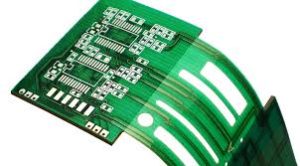
How do you handle emergency or rush orders in your Flexible circuit board manufacturers?
Effective communication is also critical in handling emergency orders. Manufacturers need to have clear and open channels of communication both internally and with their clients. Internally, this means ensuring that all departments—from procurement to production to quality assurance—are aligned and informed about the urgency and specifics of the rush order. Externally, it involves setting realistic expectations with the client, providing regular updates, and ensuring that any potential issues are communicated promptly. Good communication helps in managing expectations and ensures that both the manufacturer and the client are on the same page.
Leveraging advanced manufacturing technologies is another crucial factor. Technologies such as automated production systems, precision fabrication tools, and real-time monitoring software can significantly speed up the manufacturing process. Automation, in particular, reduces human error and increases efficiency, which is vital when time is of the essence. Real-time monitoring allows manufacturers to track progress continuously and make immediate adjustments if necessary, ensuring that the rush orders stay on track.
Additionally, skilled and well-trained personnel are indispensable for handling rush orders. Manufacturers often rely on their most experienced teams to manage these urgent tasks, as their expertise ensures that high-quality standards are maintained even under tight deadlines. Training programs and continuous skill development ensure that staff can handle the pressures and complexities of rush orders effectively.
Partnerships with reliable logistics providers also play a critical role in the successful handling of rush orders. Once the manufacturing process is complete, getting the product to the client quickly is the final step. Manufacturers often work with logistics partners who specialize in expedited shipping and can guarantee delivery within the shortest possible time frames.
Finally, a culture of agility and customer-centricity within the manufacturing organization is essential. Manufacturers who prioritize flexibility and customer satisfaction are better equipped to handle emergency orders. This involves a commitment from all levels of the organization to do what it takes to meet the client’s urgent needs, including working extended hours or weekends if necessary.
In summary, flexible circuit board manufacturers handle emergency or rush orders through a combination of responsive production schedules, well-managed inventory, effective communication, advanced technologies, skilled personnel, reliable logistics, and a customer-focused culture. These strategies ensure that manufacturers can meet urgent demands efficiently and maintain the high-quality standards expected by their clients. By having these robust processes in place, manufacturers not only cater to emergency orders effectively but also build strong, trust-based relationships with their clients.


