
printed circuit board assembly manufacturer
Bioelectronic devices, a cutting-edge intersection of biology and electronics, hold tremendous promise for revolutionizing healthcare and biotechnology. These devices integrate electronic components with biological systems to monitor, stimulate, or regulate physiological processes at the molecular level. At the heart of bioelectronic devices lies the printed circuit board (PCB) assembly, a critical component that facilitates communication and control within the system. However, the unique requirements of bioelectronic applications pose challenges for traditional PCB assembly manufacturers.
One of the primary considerations for using PCB assembly manufacturers in bioelectronic devices is the compatibility of materials and processes with biological systems. Unlike conventional electronics, bioelectronic devices operate in close proximity to living tissues and fluids, necessitating the use of biocompatible materials that minimize adverse reactions and promote integration with the body. Traditional PCB materials, such as fiberglass-reinforced epoxy laminate, may not meet the stringent biocompatibility requirements of bioelectronic applications. Therefore, manufacturers must explore alternative materials, such as biocompatible polymers or ceramics, that offer the necessary properties for interfacing with biological systems.
Furthermore, the assembly process itself must be tailored to ensure the integrity and functionality of bioelectronic devices. Traditional soldering techniques used in printed circuit board assembly manufacturer may not be suitable for delicate biological components or sensitive biomolecules. Therefore, manufacturers must develop specialized assembly methods, such as microfluidic encapsulation or bioink printing, that enable precise placement and integration of biological elements onto the PCB substrate without compromising their viability or functionality.
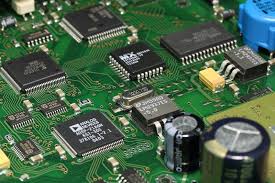
Can printed circuit board assembly manufacturer be used in bioelectronic devices?
Another challenge in utilizing PCB assembly manufacturers for bioelectronic devices is the need for high precision and reliability. Bioelectronic applications often require microscale features and intricate geometries to interface with biological structures or manipulate cellular processes. Traditional PCB fabrication techniques may not achieve the level of precision required for these applications, necessitating the adoption of advanced manufacturing technologies, such as photolithography or laser micromachining, to produce intricate patterns and structures on the PCB substrate.
Moreover, the stringent regulatory requirements governing medical devices pose additional challenges for PCB assembly manufacturers entering the bioelectronic market. Bioelectronic devices intended for clinical use must undergo rigorous testing and validation to ensure safety, efficacy, and compliance with regulatory standards. Manufacturers must navigate complex regulatory pathways and demonstrate the reliability and performance of their products through extensive testing and documentation. This requires a deep understanding of regulatory requirements and a commitment to quality assurance throughout the manufacturing process.
Despite these challenges, there is significant potential for PCB assembly manufacturers to play a vital role in the development of bioelectronic devices. By leveraging their expertise in electronics manufacturing and embracing interdisciplinary collaboration, manufacturers can contribute to the advancement of bioelectronic technologies and their translation into clinical applications. Moreover, the growing demand for personalized medicine and minimally invasive therapies underscores the importance of bioelectronic devices in healthcare, creating opportunities for manufacturers to expand their market presence and drive innovation in this rapidly evolving field.
In conclusion, while the transition to bioelectronic applications presents challenges for traditional PCB assembly manufacturers, it also offers exciting opportunities for innovation and growth. By addressing the unique requirements of bioelectronic devices, including biocompatibility, precision, and regulatory compliance, manufacturers can position themselves as key players in this emerging market. Bioelectronic devices have the potential to revolutionize healthcare by enabling precise diagnostics, targeted therapies, and closed-loop systems for real-time monitoring and control of physiological processes. By embracing this convergence of biology and electronics, PCB assembly manufacturers can contribute to the advancement of healthcare and improve the quality of life for patients around the world.


