
standards for custom pcb manufacturing
Custom PCB (Printed Circuit Board) manufacturing plays a pivotal role in the development of electronic devices, ranging from smartphones to medical equipment. In this technologically advanced era, where innovation is rapid, the need for reliable and standardized manufacturing processes becomes paramount. However, when it comes to custom PCB manufacturing, the question arises: Are there any standards governing this intricate process?
The short answer is yes. Custom PCB manufacturing is subject to various standards and guidelines that ensure quality, reliability, and compatibility across different industries. These standards are established by international organizations, such as the International Organization for Standardization (ISO) and the Institute of Electrical and Electronics Engineers (IEEE), among others.
One of the most widely recognized standards in custom pcb manufacturing is the IPC (Association Connecting Electronics Industries) standards. IPC standards cover various aspects of PCB design, fabrication, and assembly, providing manufacturers with guidelines to ensure consistency and quality throughout the manufacturing process. These standards address critical factors such as material selection, design specifications, manufacturing tolerances, and testing procedures.
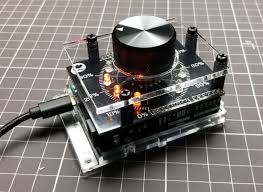
Are there any standards for custom pcb manufacturing?
Material selection is a crucial aspect of custom PCB manufacturing, as it directly impacts the performance and reliability of the final product. Standards such as IPC-4101 define the requirements for base materials used in PCB fabrication, including their electrical, mechanical, and thermal properties. Adhering to these standards ensures that manufacturers select materials that meet the specific requirements of the intended application, whether it’s high-speed digital electronics or harsh industrial environments.
In addition to material selection, PCB design standards play a vital role in ensuring the manufacturability and reliability of custom PCBs. Standards like IPC-2221 provide guidelines for designing PCBs with considerations for factors such as signal integrity, thermal management, and manufacturability. By following these design standards, manufacturers can optimize PCB layouts to minimize signal interference, improve heat dissipation, and facilitate the assembly process.
Manufacturing tolerances define the acceptable deviation from nominal values during the fabrication process. Standards such as IPC-A-600 specify the allowable tolerances for various aspects of PCB fabrication, including dimensions, hole sizes, and surface finishes. Adhering to these tolerances is essential for ensuring that custom PCBs meet the required specifications and perform reliably in their intended applications.
Testing and inspection are integral parts of the custom PCB manufacturing process, helping to identify and rectify any defects or inconsistencies before the final product is delivered to the customer. Standards such as IPC-A-610 outline the criteria for inspecting and accepting PCB assemblies based on visual and mechanical criteria. Additionally, standards like IPC-TM-650 provide methods for testing PCB materials and assemblies to ensure compliance with specified requirements.
While adherence to standards is essential for ensuring the quality and reliability of custom PCBs, it’s important to note that not all standards may be applicable to every project. The specific requirements of each application may necessitate deviations or additional specifications beyond standard guidelines. In such cases, collaboration between manufacturers, designers, and customers is crucial for defining and meeting the unique requirements of each project.
In conclusion, standards play a vital role in custom PCB manufacturing, providing guidelines and best practices to ensure quality, reliability, and compatibility across various industries. By adhering to standards such as those established by IPC and other international organizations, manufacturers can optimize the design, fabrication, and testing processes to deliver custom PCBs that meet the specific needs of their customers.


